Mouse control in Memphis, TN
Droppings in the silverware drawer, chewed cereal boxes, a mouse darting behind the stove. Call to reach a local technician who can trap the mice and seal the small gaps that let them in.
- Memphis and Shelby County
- Rats and mice only
- Independent local providers
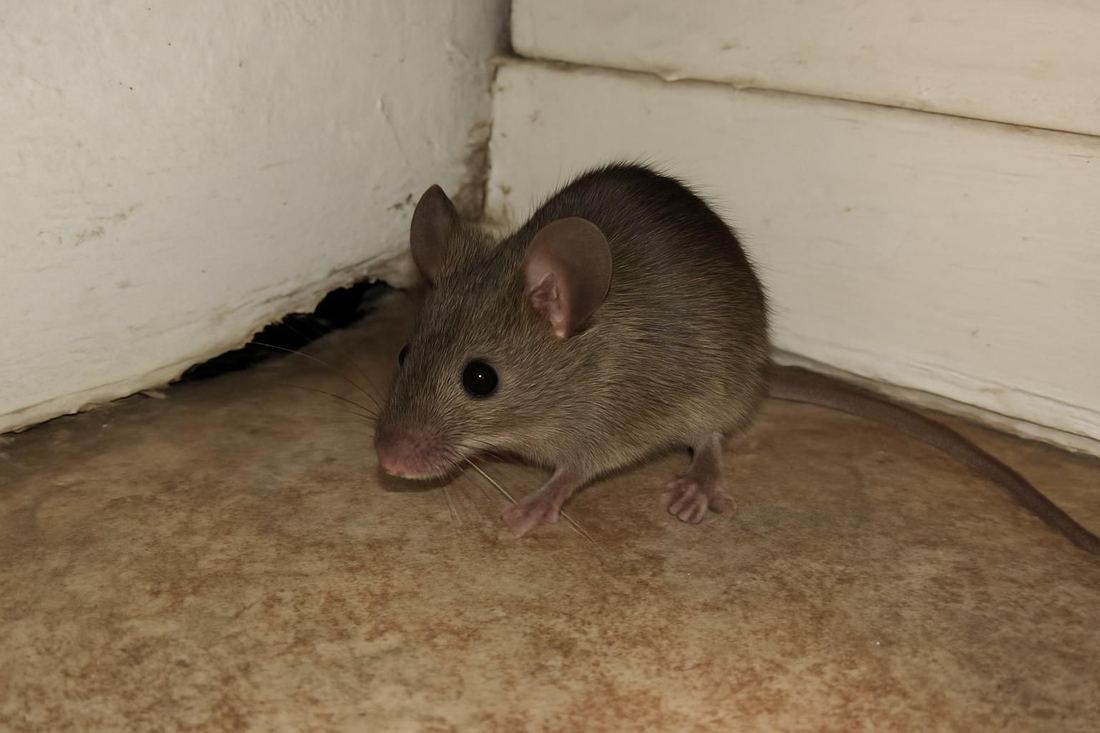
Mouse control in Memphis: what you are dealing with
The house mouse is the most common rodent inside Memphis homes, apartments and businesses. Adults are small, about five to seven inches long counting the tail, and they fit through gaps slightly larger than a quarter inch, about the width of a pencil. If a pencil fits, a mouse fits.
Mice stay close to home. They usually forage within 10 to 25 feet of the nest, often much less when food is easy. That habit is both the problem and the opening. A family of mice behind a dishwasher can live for months on crumbs and pet food without ever being seen. But because they stay close, a technician who finds the nest area can trap the whole group quickly.
They also breed fast. A female can have five to ten litters a year, with about five or six young each time, and the young mature in six to ten weeks. A few mice in September is a much bigger number by the new year.
What a thorough mouse job includes
Mouse work looks simple, and that is why it often fails. Setting a few traps by the stove catches a few mice. A complete job covers:
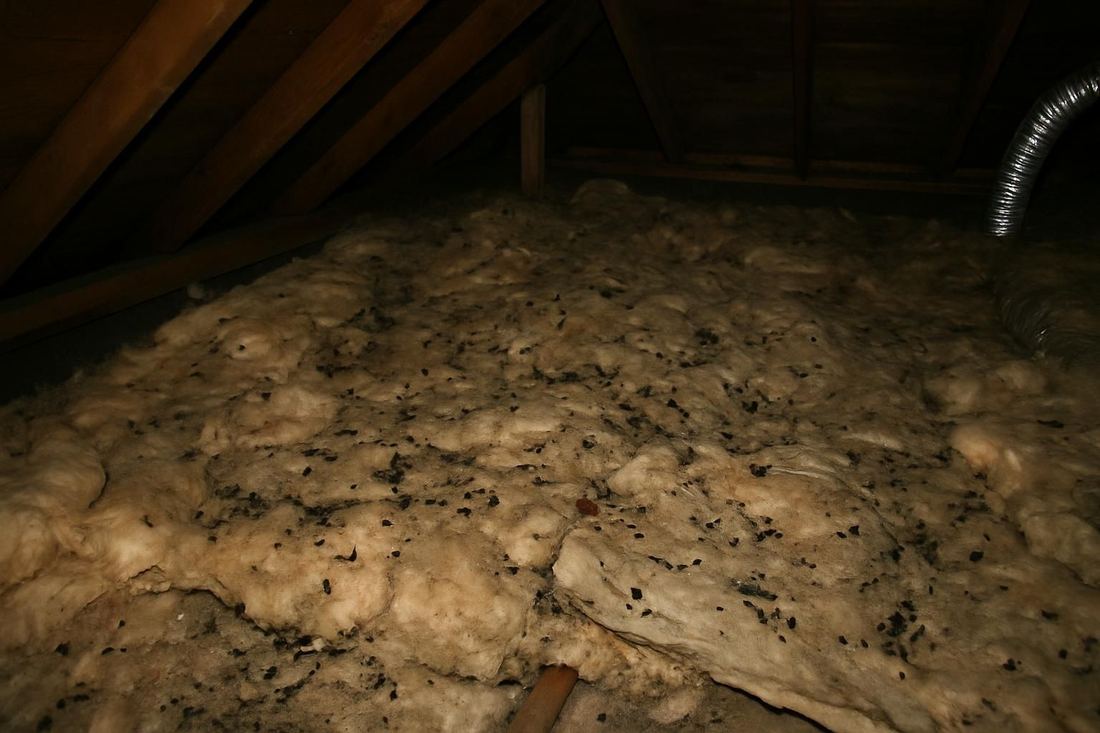
- An inspection of the kitchen, pantry, laundry, garage, attic edges and crawl space, looking for droppings, rub marks, gnawing and nesting material
- Trap placement every few feet along walls where droppings show activity, since mice rarely cross open floors
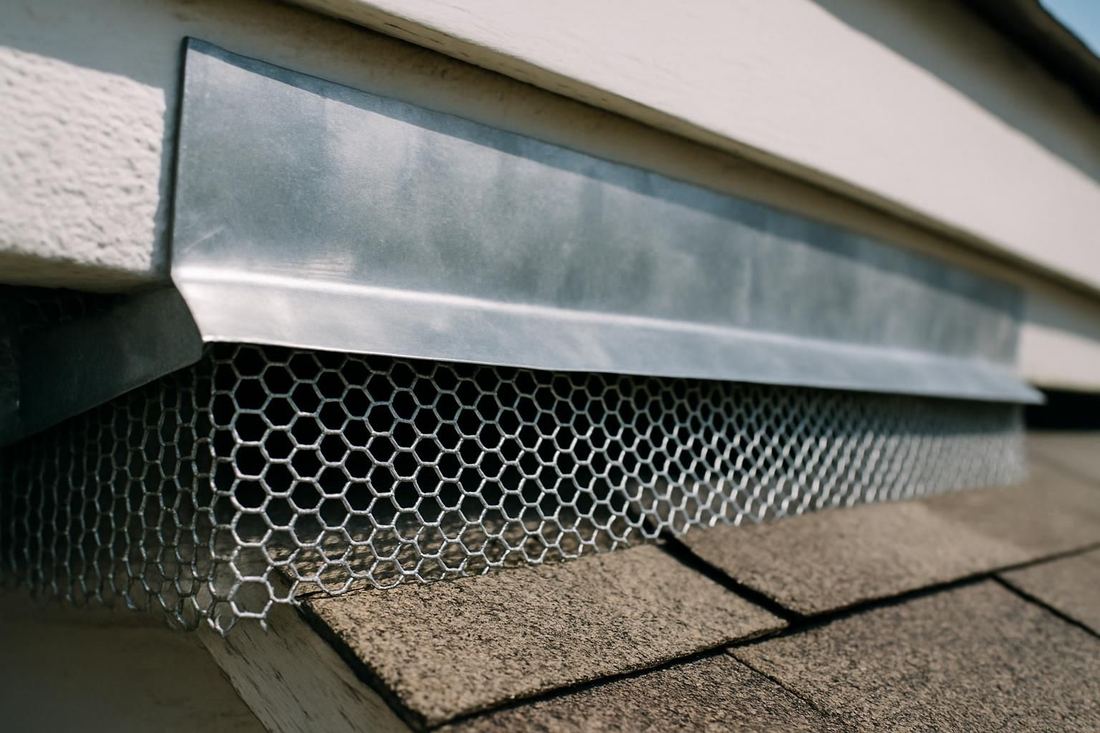
- Sealing of entry gaps around pipes under sinks, behind the stove and dryer, at garage door corners, at weep holes and around AC lines, using steel or copper mesh, metal and sealant rather than foam alone
- Follow-up checks until traps stay empty for a full cycle
- Advice on food storage and clutter, especially in garages and pantries
Ask whether the quote includes sealing and how many return visits are covered.
How a mouse job usually goes, step by step
- You describe where you see droppings or damage, how long it has been going on, and whether you have pets or small children.
- The technician inspects inside and out, tracing droppings and rub marks back toward the nest and the entry points.
- Traps go in along walls, inside cabinets and behind appliances, often in tamper-resistant boxes in homes with kids or pets.
- Entry points get sealed: pipe penetrations, gaps under exterior doors, garage door seals, dryer vents and openings at the foundation.
- The technician comes back to check traps, remove mice and look for new droppings.
- Once the traps stay empty, you get a final walk-through and notes on what to watch.
Want a technician to look at your place?
(901) 256-2861Why mice are a steady problem in Memphis
Memphis housing gives mice a lot of options. Brick ranch homes from the 1950s and 1960s, common in Frayser, Whitehaven, Raleigh and Parkway Village, often have weep holes in the brick, gaps where the brick meets the slab or crawl space, and decades-old pipe and gas line penetrations. Older Midtown homes on crawl spaces have open plumbing chases that run from under the house straight into kitchen and bathroom walls.
Newer subdivisions in Cordova, Bartlett, Arlington and Southaven have tighter construction, but mice still find the gap at the bottom corner of a garage door, the hole around the AC line set, or the unsealed opening behind a dryer vent. Garages full of stored boxes, birdseed and dog food are a common starting point in the suburbs.
Memphis weather keeps mice comfortable outside for much of the year, so pressure on the house is steady. Fall still brings a rise in calls when nights cool off and mice move toward warm walls and attics.
Habits that keep mice from coming back
Sealing does most of the work. A few habits keep the house from inviting the next mouse in:
- Store dry pet food, birdseed and grass seed in metal or heavy plastic bins with tight lids, especially in the garage
- Keep pantry staples like cereal, rice and flour in hard containers
- Wipe up crumbs under the toaster, stove and fridge, and do not leave pet bowls full overnight
- Keep stored boxes off garage and closet walls so you can see the base of the wall
- Check the bottom corners of the garage door each fall; the rubber seal wears out and leaves a gap
- Fix dripping faucets and AC condensate leaks that give mice water
If you find fresh droppings again after a job, call the provider back early. A single new mouse is easier to catch than a new family.
What to say when you call
Your call goes to an independent rodent control provider serving Memphis. Two minutes of detail up front gets you a straighter answer on timing and price.
Tell them
- ✓Rats or mice, if you can tell. Mouse droppings are rice-sized; rat droppings run about half an inch or longer.
- ✓Where the activity is: attic, ceiling, walls, kitchen, crawl space, garage, yard or under the slab.
- ✓How long it has been going on, and whether the noise or droppings are getting worse.
- ✓The building: brick ranch, Midtown bungalow on a crawl space, townhome, apartment, restaurant or warehouse.
- ✓Your neighborhood or ZIP code and the times that work for a visit.
- ✓Anything already tried, like snap traps, store bait, foam in a gap or a past service.
Ask them
- ?Is the company chartered by the Tennessee Department of Agriculture (or licensed in Mississippi, for DeSoto County)?
- ?Will the technician seal the entry points, or only set traps and bait?
- ?How many return visits does the price cover, and what does an extra one cost?
- ?Can I see the plan and the quote in writing before work starts?
- ?What goes inside the house, and how is it kept away from kids and pets?
Mouse control questions
How small a gap can a mouse use?
Research from university extension programs puts it at slightly more than a quarter inch, about the width of a pencil. That is why sealing has to cover small pipe gaps and door corners, not just obvious holes.
Are mouse droppings dangerous?
They can carry germs, so clean them carefully. The CDC recommends wearing gloves, wetting droppings with a bleach solution or disinfectant for five minutes, and wiping them up with paper towels rather than sweeping or vacuuming. See droppings cleanup.
Do ultrasonic plug-ins keep mice away?
University pest research has found ultrasonic devices do not work for long, because rodents get used to the sound. Trapping and sealing gaps is the reliable path. See do rodent repellents work.
How many mice do I have if I saw one?
Usually more than one. Mice are social and stay hidden. Fresh droppings in several spots, or droppings in more than one room, suggest an established group.
Will mice leave on their own when it warms up?
Rarely. Once mice have food, water and a warm nest inside, they stay. Memphis winters are short, but the mice do not move out in spring.
Can I keep mice out with peppermint oil or dryer sheets?
Scents do not hold mice back for long. University pest research finds no repellent that works for more than a short time. Sealing gaps and removing food is what keeps them out.
Get help with mouse control in Memphis
Free call · independent local providers · same-day often available