Commercial rodent control in Memphis, TN
Running a business with rats or mice? Call to reach a local commercial technician who can set up a monitoring plan, seal the building and keep a service log.
- Memphis and Shelby County
- Rats and mice only
- Independent local providers
How commercial rodent control differs from a house call
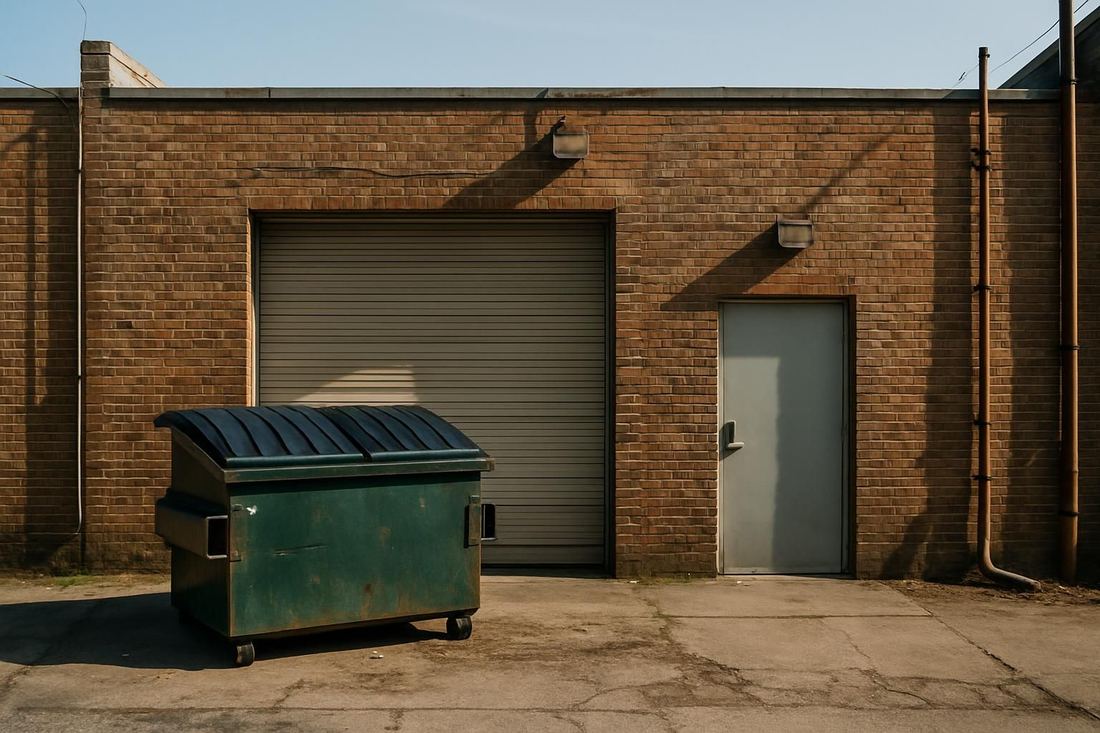
A commercial building has more doors, more deliveries, more people coming and going, and usually a dumpster. Rodent control for a business is less about one cleanup and more about a routine that keeps activity low and documented.
Most commercial plans combine exterior bait stations around the perimeter, traps inside, sealing of doors and utility gaps, and a service log on site. Many businesses need that log for health inspections, landlords, insurers or corporate audits.
This page covers offices, retail stores, churches, schools, medical offices and similar buildings. Restaurants and warehouses have their own pages, since food rules and loading docks change the plan: see restaurant rodent control and warehouse rodent control.
What a commercial rodent plan includes
A solid plan from a provider should spell out:
- An initial inspection of the interior, roof access, loading and service doors, the dumpster area and the perimeter
- Exterior bait stations, locked and anchored, placed around the building at intervals, with a map
- Interior traps in storage rooms, break rooms, mechanical rooms and along walls where activity shows up
- Sealing of door gaps, utility penetrations, roof vents and openings around signage and conduit
- A visit schedule, often monthly, more often while a problem is active
- A written service log with what was found, what was caught and what was changed
- Recommendations for staff on trash, deliveries, landscaping and clutter
Ask the provider for a sample service report so you know what you will get.
How a commercial program usually starts, step by step
- You call with the building type, size and what has been seen, and set a time that suits business hours.
- The technician inspects inside and out and maps devices and entry points.
- Traps and stations go in, and urgent gaps get sealed on the first visit where possible.
- Follow-up visits on a set schedule check every device and record activity.
- The plan adjusts as activity drops: fewer interior traps, a steady exterior perimeter.
- You keep the service log on site for inspectors, landlords or auditors.
Want a technician to look at your place?
(901) 256-2861Commercial rodent pressure in Memphis
Memphis commercial districts mix old and new buildings side by side. Downtown and South Main have brick buildings over a hundred years old, many converted from warehouses and cotton offices, with basements, shared walls and utility chases that link one tenant to the next. Midtown strips along Poplar, Union and Madison have older one-story retail buildings with alley dumpsters.
Out east, along Poplar in East Memphis, Germantown Parkway in Cordova and the corridors in Collierville and Southaven, newer buildings have tighter shells but larger landscaped grounds and big dumpster corrals that feed rats.
Memphis's river and creek corridors, including the Mississippi riverfront and the Wolf River, support Norway rat populations near some commercial areas. Buildings near those corridors usually need a firm exterior perimeter year-round.
Staff habits that help the program work
The provider handles the devices and the sealing. Day-to-day habits decide how much activity they find.
- Keep exterior doors closed, and fix door closers that let doors drift open
- Break down boxes and get cardboard out of storage rooms, where it becomes nesting material
- Store supplies on shelves off the floor and a few inches out from walls
- Keep break room food in sealed containers and empty trash at the end of each day
- Keep dumpster lids closed and the area around them swept
- Keep landscaping trimmed back from the building, and do not let ivy or shrubs grow against walls
- Report droppings or gnawed packaging to the manager right away, with the location
Many businesses assign one person to meet the technician, share what staff have seen, and keep the service log. That single point of contact makes it easier to spot trends between visits.
What to say when you call
Your call goes to an independent rodent control provider serving Memphis. Two minutes of detail up front gets you a straighter answer on timing and price.
Tell them
- ✓Rats or mice, if you can tell. Mouse droppings are rice-sized; rat droppings run about half an inch or longer.
- ✓Where the activity is: attic, ceiling, walls, kitchen, crawl space, garage, yard or under the slab.
- ✓How long it has been going on, and whether the noise or droppings are getting worse.
- ✓The building: brick ranch, Midtown bungalow on a crawl space, townhome, apartment, restaurant or warehouse.
- ✓Your neighborhood or ZIP code and the times that work for a visit.
- ✓Anything already tried, like snap traps, store bait, foam in a gap or a past service.
Ask them
- ?Is the company chartered by the Tennessee Department of Agriculture (or licensed in Mississippi, for DeSoto County)?
- ?Will the technician seal the entry points, or only set traps and bait?
- ?How many return visits does the price cover, and what does an extra one cost?
- ?Can I see the plan and the quote in writing before work starts?
- ?What goes inside the house, and how is it kept away from kids and pets?
Commercial rodent control questions
How often should a commercial building be serviced?
Monthly is common for offices and retail. Food businesses and buildings with active problems often need more frequent visits. The provider should base the schedule on what the inspection finds.
Can service happen outside business hours?
Many providers schedule commercial visits early, late or on weekends to avoid customers. Ask when you call.
Do I need a licensed company for my building?
Any company doing pest control for hire in Tennessee needs a charter from the Department of Agriculture, and rodent work falls under the General Pest and Rodent Control category. The state also requires licensed supervision for pesticide work inside restaurants, apartments, lodging, food processing plants and most schools. See the license guide.
Who pays, the tenant or the landlord?
It depends on the lease. Many commercial leases assign pest control to the tenant inside the space and the landlord for common areas and the exterior. Check yours.
Can bait be used inside a business?
Professional products can be used in and around buildings following the label, but in food businesses Tennessee's food rules require rodent bait to be outdoors in covered, tamper-resistant stations. Most providers favor traps inside.
What should a service report include?
The visit date, the technician, each device checked and what it showed, any rodents caught, any sealing done, and recommendations. Ask for a sample before you sign up.
Get help with commercial rodent control in Memphis
Free call · independent local providers · same-day often available