Rodent trapping and removal in Memphis, TN
Rats or mice inside right now? Call to reach a local technician who can set traps where they travel, check them on schedule and take the rodents away.
- Memphis and Shelby County
- Rats and mice only
- Independent local providers
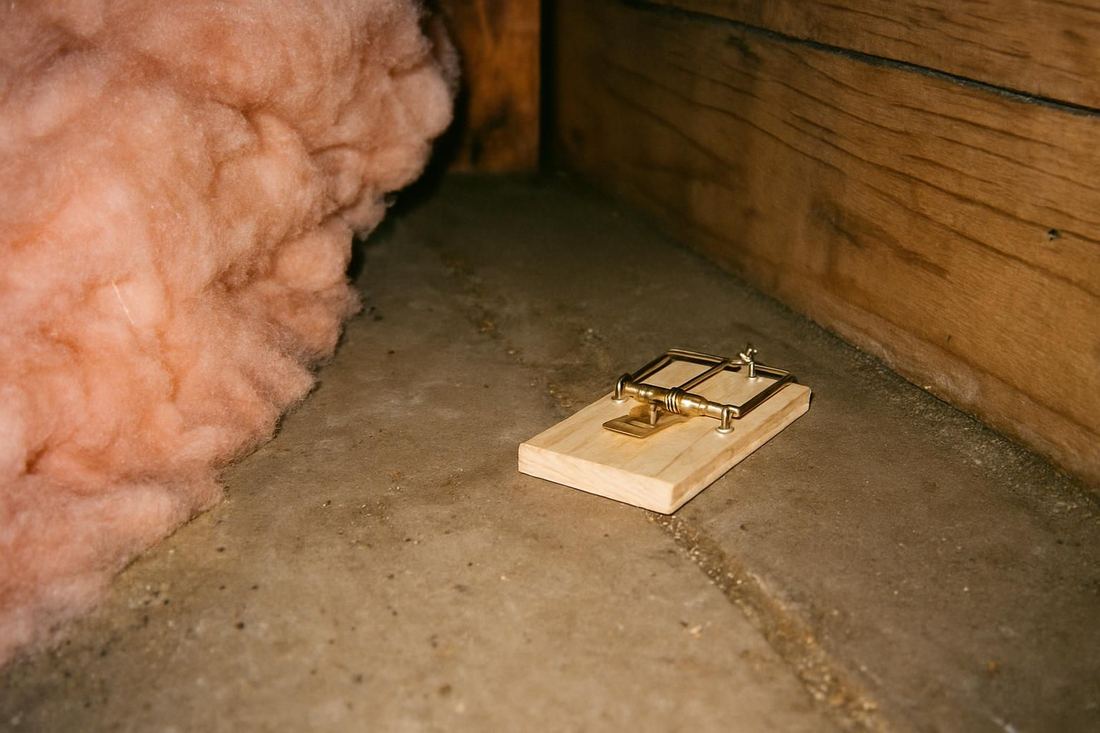
Why trapping is the main removal method indoors
Inside a home, most rodent providers rely on traps rather than poison. A trap lets the technician remove the rodent, count what was caught and judge whether the population is shrinking. Poison does none of that. A rat or mouse that eats bait wanders off and often dies in a wall, under a floor or deep in attic insulation, where it can smell for weeks.
Trapping works when the traps are in the right place. Rodents follow the same paths every night, usually along walls, rafters and pipes. A trap set in the middle of a room catches little. A trap set on a runway, where droppings and rub marks show traffic, can catch on the first night.
Trapping is also only half of removal. Without sealing, new rodents keep arriving, and trapping turns into a monthly routine instead of a fix.
What thorough trapping includes
A trapping service should include:
- Species-specific placement: roof rat traps up high on rafters, top plates and ledges; Norway rat traps low along walls and in crawl spaces; mouse traps every few feet along walls near activity
- Enough traps. University guidance suggests spacing mouse traps about 10 feet apart and rat traps about 10 to 20 feet apart in active areas
- Tamper-resistant boxes for traps where kids or pets could reach them
- Scheduled checks, so caught rodents are removed promptly and traps are reset
- A log of what was caught where, so the plan can shift if activity moves
- A clear end point: traps come out once activity stops, and sealing finishes the job
Ask the provider how many traps they plan to use, how often they will check them, and how many visits the price covers.
How a trapping job usually goes, step by step
- An inspection identifies the species and the busiest runways.
- The technician sets traps, often unset for a night or two with bait so wary rats get used to them.
- Traps are set and checked on a schedule, often every few days at first.
- Each check removes caught rodents, resets traps and moves any that are not producing.
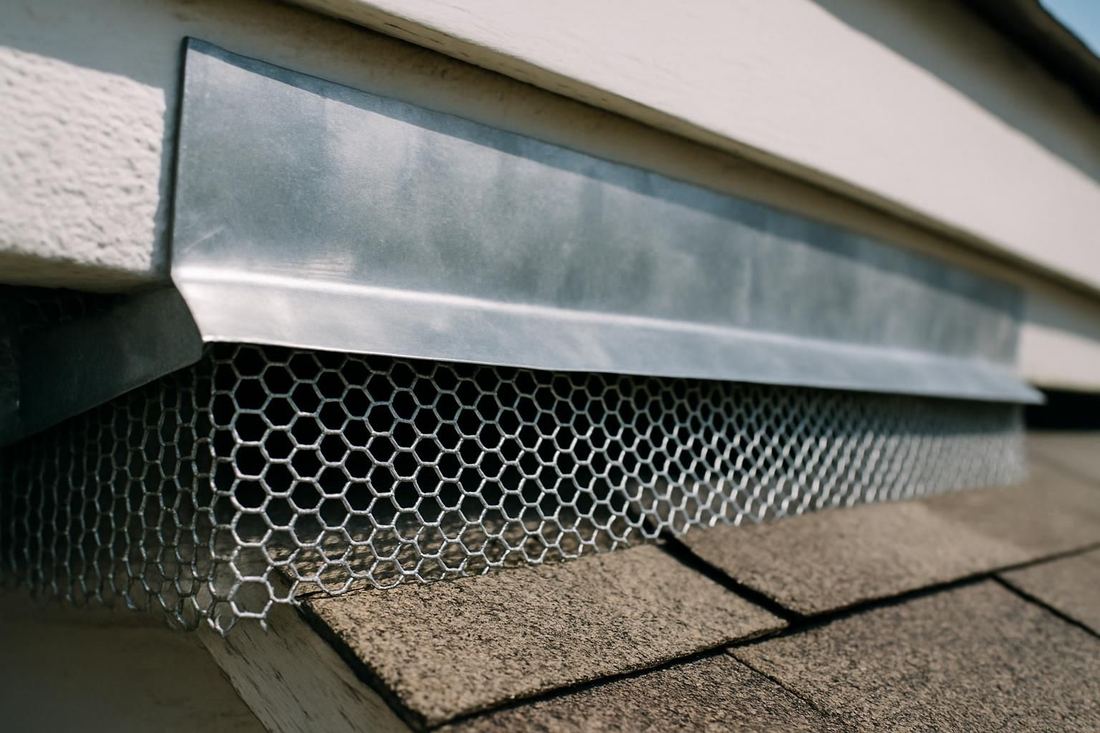
- Entry points are sealed once catches drop off.
- A last check confirms the traps stay empty and no new droppings appear, then the traps come out.
Want a technician to look at your place?
(901) 256-2861Trapping in Memphis attics and crawl spaces
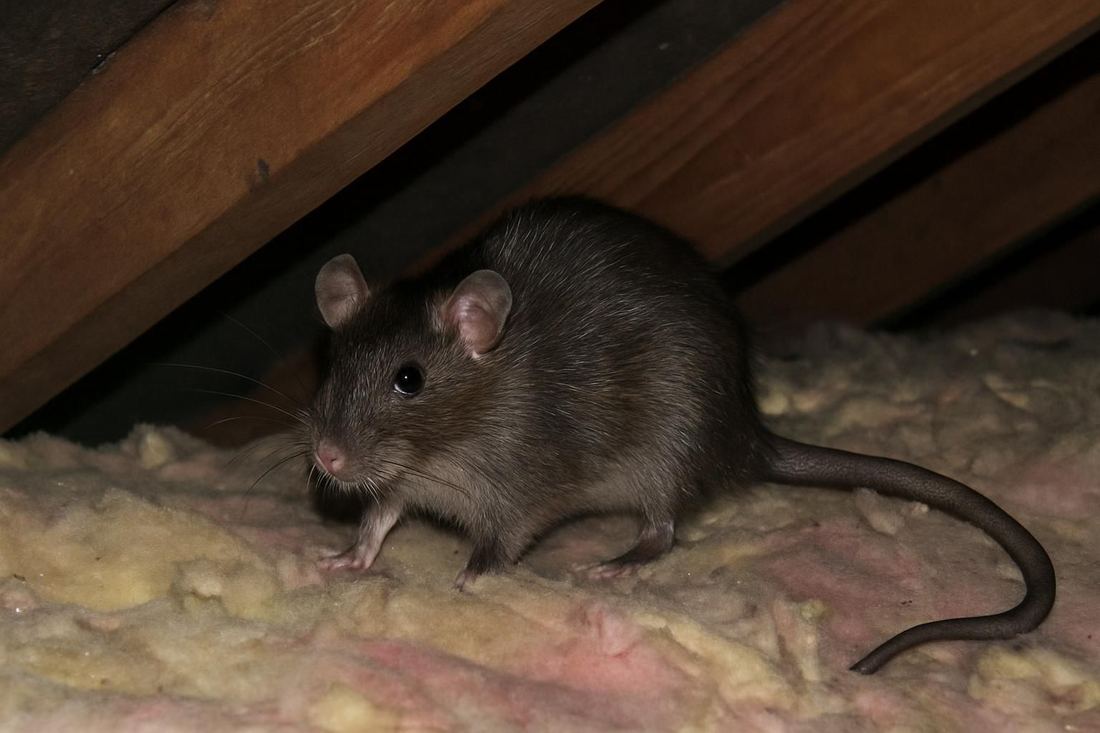
Memphis houses put rodents in two hard-to-reach places. Roof rats in older homes favor attics with low pitches near the eaves, where a technician has to crawl over joists in summer heat that can be brutal by midday. Traps need to sit where rats run, often right at the eave line or along the top of an interior wall.
Norway rats and mice in crawl spaces are the other common setup. Midtown and East Memphis homes on crawl spaces, and plenty of brick ranches across the city, give rodents a dark, protected space right under the kitchen. Traps there need to be checked on time, because a caught rodent left for days in a humid Memphis crawl space smells fast.
Rats are also cautious about new objects in their path. Rats tend to be warier than mice, so expect a provider to give rat traps a little time and to move traps that are not catching.
Keeping kids and pets safe around traps
Traps work by force, so placement and covers matter in a house with children or pets.
- Snap traps for rats are strong enough to hurt fingers and paws. Ask for them to be set inside tamper-resistant boxes or in places kids and pets cannot reach, like the attic or crawl space
- Glue boards can catch pets, birds and lizards; many providers avoid them
- Ask the technician to tell you where every trap is, so nobody stumbles on one
- Keep pets out of the attic and crawl space during the job
- If you use store-bought traps yourself, set them behind appliances or inside a box with mouse-sized openings
Bait carries its own risks. Pets and wildlife can be poisoned by eating bait directly or by eating a poisoned rodent. That is one more reason providers keep bait outside in locked stations, if they use it at all.
What to say when you call
Your call goes to an independent rodent control provider serving Memphis. Two minutes of detail up front gets you a straighter answer on timing and price.
Tell them
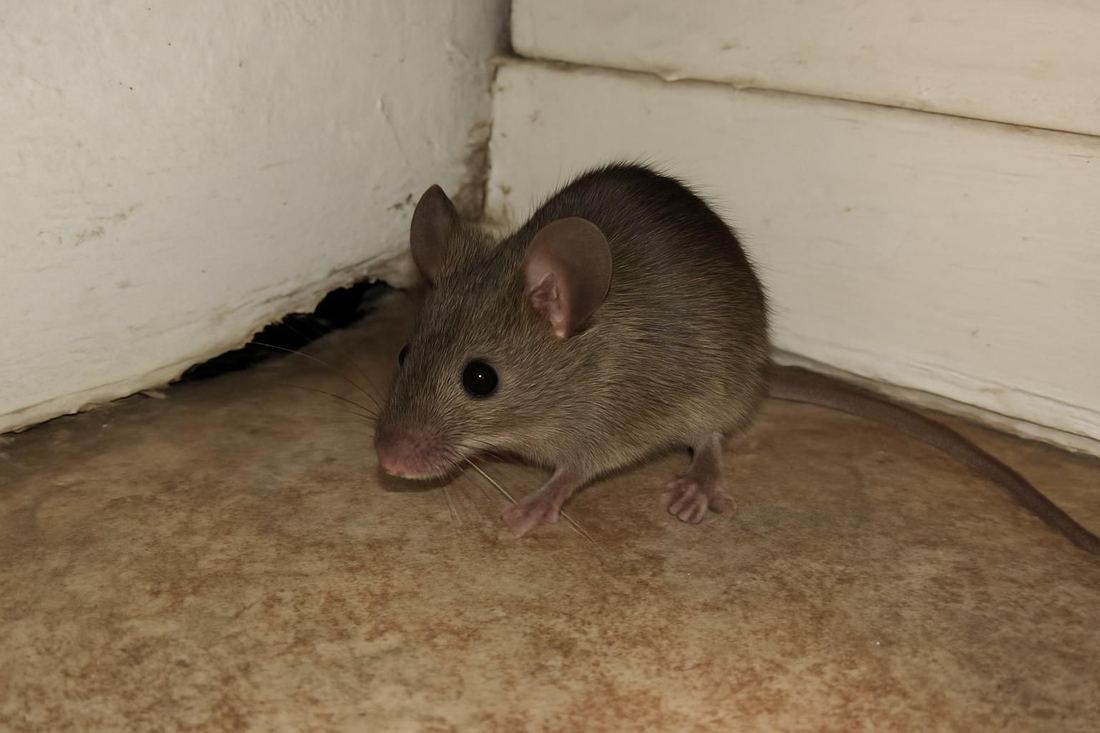
- ✓Rats or mice, if you can tell. Mouse droppings are rice-sized; rat droppings run about half an inch or longer.
- ✓Where the activity is: attic, ceiling, walls, kitchen, crawl space, garage, yard or under the slab.
- ✓How long it has been going on, and whether the noise or droppings are getting worse.
- ✓The building: brick ranch, Midtown bungalow on a crawl space, townhome, apartment, restaurant or warehouse.
- ✓Your neighborhood or ZIP code and the times that work for a visit.
- ✓Anything already tried, like snap traps, store bait, foam in a gap or a past service.
Ask them
- ?Is the company chartered by the Tennessee Department of Agriculture (or licensed in Mississippi, for DeSoto County)?
- ?Will the technician seal the entry points, or only set traps and bait?
- ?How many return visits does the price cover, and what does an extra one cost?
- ?Can I see the plan and the quote in writing before work starts?
- ?What goes inside the house, and how is it kept away from kids and pets?
Trapping and removal questions
Are snap traps better than glue boards?
Most providers use snap traps or enclosed traps for rats and mice. Glue boards can catch nontarget animals and leave a live, stressed rodent to deal with. Ask what your provider uses and why.
How often should traps be checked?
Often enough that caught rodents are removed before they decay, usually every few days early in a job. Ask the provider for the check schedule.
What bait works best?
Peanut butter is a common and effective bait for mice. For rats, providers use nut butters, dried fruit or nesting material such as cotton. Placement matters more than bait.
Can I do the trapping myself?
For a mouse or two in a kitchen, yes. For roof rats in an attic or rats in a crawl space, a technician usually gets better results because of placement, access and the sealing that has to follow. See best traps.
What happens to the caught rodents?
The technician bags and removes them on each visit. If you find one before the visit, follow the CDC guidance: gloves, disinfectant, double bag, and into a covered trash can.
How many traps will a technician use?
It depends on the species, the size of the problem and the space. Mouse jobs often use a dozen or more traps along walls; rat jobs use fewer, larger traps on runways. Ask for the plan.
Get help with trapping and removal in Memphis
Free call · independent local providers · same-day often available