Rodent exclusion and proofing in Memphis, TN
Trapping clears the rodents inside. Sealing keeps the next ones out. Call to reach a local technician who can find and close the gaps rats and mice use on your house.
- Memphis and Shelby County
- Rats and mice only
- Independent local providers
Why exclusion is the part that makes rodent control last
Exclusion means closing every opening a rat or mouse can use to get inside. It is slower than trapping, and it decides whether you see rodents again next year.
The reason is scent. Rats and mice leave urine and body oils along their routes. When the rodents inside are trapped out, new ones outside can still smell the trail and follow it straight to the same gap. Close the gap, and the trail goes nowhere.
The openings are smaller than most people expect. University extension research puts the size at about a quarter inch for mice and half an inch for rats. A rat can squeeze under a door with a half-inch gap. That means exclusion is detail work: dozens of small fixes around a house, not one big one.
What thorough exclusion work includes
Good exclusion uses materials rodents cannot chew through. Rats chew through plastic, foam, wood and caulk. Expect a provider to use:
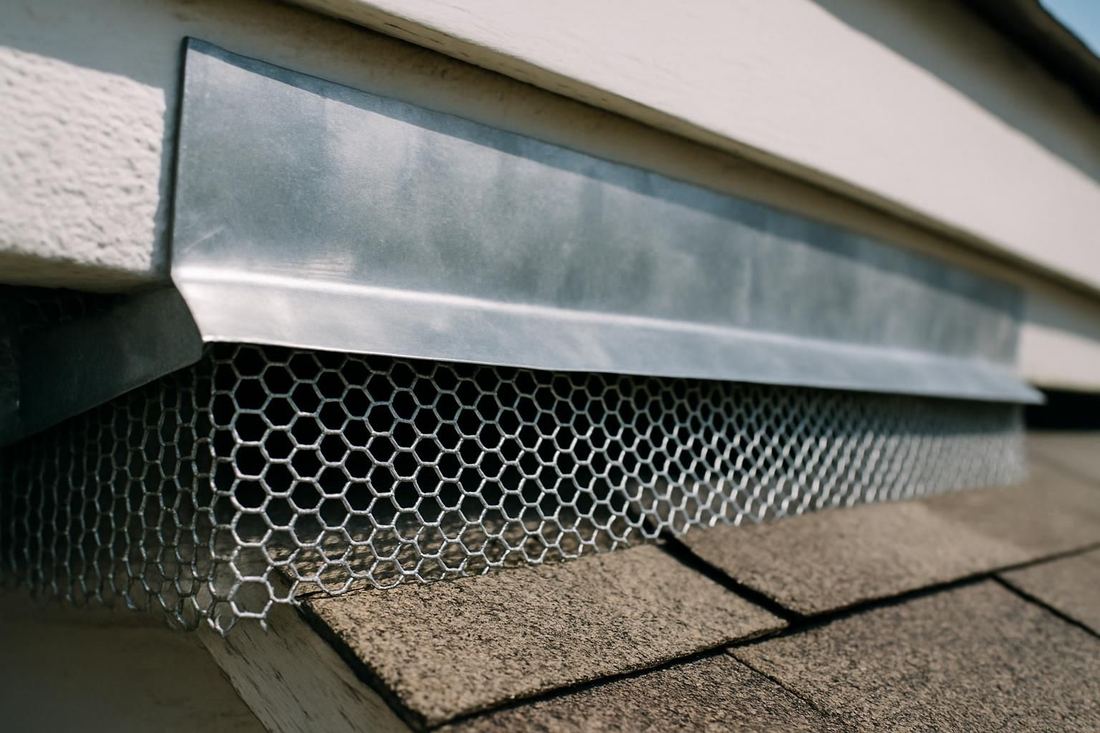
- Galvanized hardware cloth (half-inch or smaller mesh) over gable, soffit and foundation vents
- Sheet metal or aluminum flashing over chewed fascia edges, roof returns and gaps where rooflines meet
- Copper mesh or stainless steel packed into pipe and line gaps, then sealed over
- Mortar or concrete patch for holes in brick and block foundations
- Door sweeps and garage door bottom seals and corner seals
- Chimney caps and screened plumbing vent covers where needed
Avoid chicken wire, which rats pass through, and expanding foam used alone. Ask for a list of every opening sealed and the material used on each.
How exclusion work usually goes, step by step
- An inspection maps every opening, from the ridge to the foundation, with photos or a marked list.
- If rodents are still inside, trapping comes first. Sealing them in can push rats into living space or leave them to die in the walls.
- Some providers install one-way exclusion doors at the main entry so rodents can leave but not return.
- Once activity drops, the technician seals the openings with metal, mesh and mortar, starting with the ones that show the most use.
- Trees and vines touching the roof get flagged so you or a tree service can cut them back.
- A follow-up visit checks the seals for new chewing and confirms no fresh droppings inside.
Want a technician to look at your place?
(901) 256-2861Why exclusion takes more work on Memphis homes
A lot of Memphis houses are old enough that their rooflines have moved. In Midtown, Cooper-Young and Central Gardens, homes from the early 1900s through the 1930s often have wood soffits, fascia boards that have pulled away from the rafters, and gable vents with screens that rusted out years ago. Each gap is a roof rat door.
Many of those homes also sit on crawl spaces, with brick piers, foundation vents and old plumbing penetrations. Norway rats and mice use those openings from below. Post-war brick ranches in Frayser, Whitehaven and Raleigh add weep holes, gaps under the brick ledge and aging vent screens to the list.
Trees are the other half. Mature oaks and magnolias that shade Memphis streets often grow over roofs. Sealing the roofline while leaving limbs on the shingles means rats will test every seal you install. Expect a good provider to tell you which limbs to cut back, usually to several feet off the roof.
The openings most often missed
Some entry points get missed even on careful jobs. Ask your technician whether they checked these:
- Roof returns, where a lower roof meets a wall or a higher roof and leaves a small open corner
- Gaps around the plumbing vent pipes where the boot has cracked
- The space behind a gutter where the fascia has rotted
- Openings around satellite and cable lines, and the hole where the electric service enters
- Bathroom and kitchen exhaust vents with missing or broken flaps
- Dryer vents without a cover, or with a flap that stays open
- Weep holes in brick veneer, which need to stay open for drainage but can take mesh inserts
- The bottom corners of the garage door, where the seal ends
A good provider will also tell you which openings they did not seal, like a high ridge they could not reach safely, so you know what is left.
What to say when you call
Your call goes to an independent rodent control provider serving Memphis. Two minutes of detail up front gets you a straighter answer on timing and price.
Tell them
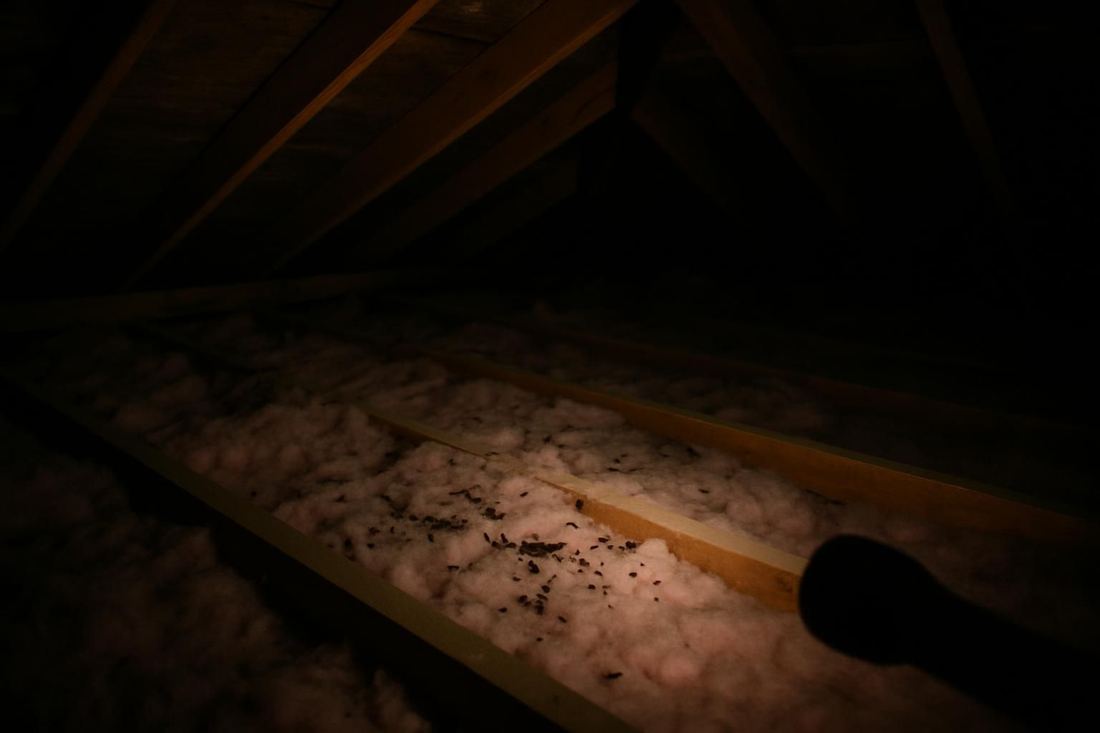
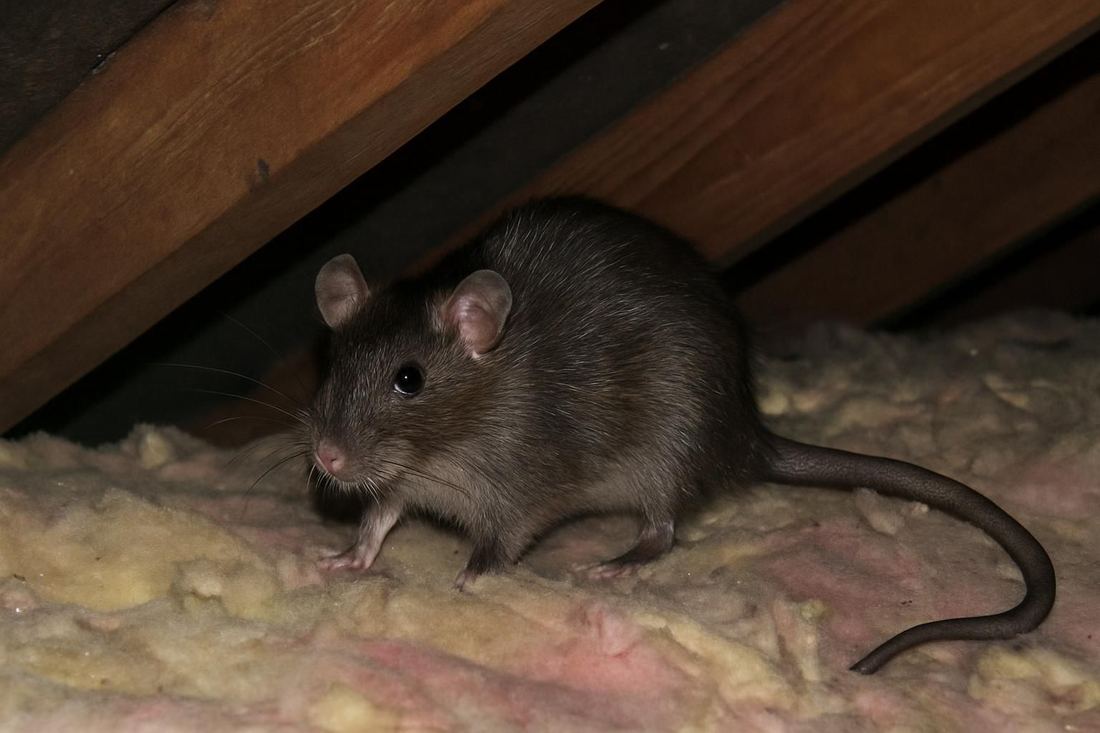
- ✓Rats or mice, if you can tell. Mouse droppings are rice-sized; rat droppings run about half an inch or longer.
- ✓Where the activity is: attic, ceiling, walls, kitchen, crawl space, garage, yard or under the slab.
- ✓How long it has been going on, and whether the noise or droppings are getting worse.
- ✓The building: brick ranch, Midtown bungalow on a crawl space, townhome, apartment, restaurant or warehouse.
- ✓Your neighborhood or ZIP code and the times that work for a visit.
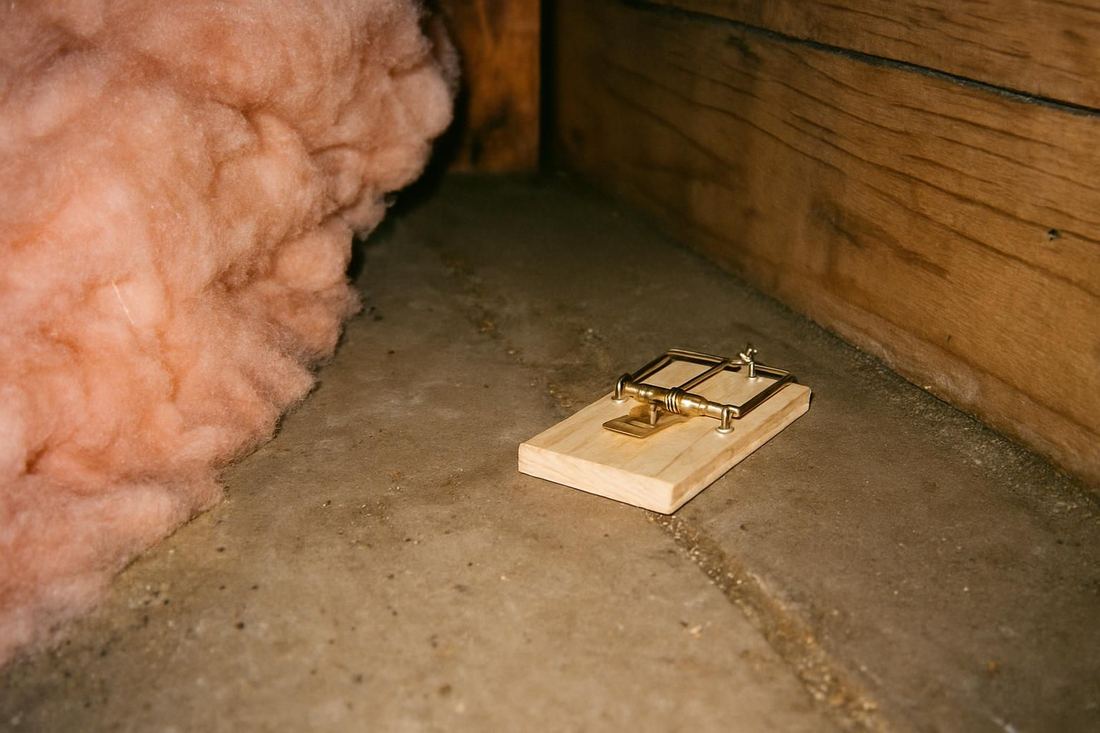
- ✓Anything already tried, like snap traps, store bait, foam in a gap or a past service.
Ask them
- ?Is the company chartered by the Tennessee Department of Agriculture (or licensed in Mississippi, for DeSoto County)?
- ?Will the technician seal the entry points, or only set traps and bait?
- ?How many return visits does the price cover, and what does an extra one cost?
- ?Can I see the plan and the quote in writing before work starts?
- ?What goes inside the house, and how is it kept away from kids and pets?
Rodent exclusion questions
Can I just spray foam into the holes?
Foam alone does not stop rats. They chew through it. Packing copper mesh or stainless steel into the gap and sealing over it, or covering the gap with metal, holds up far better. See steel wool vs copper mesh.
How much does rodent exclusion cost?
Published national guides list about $200 to $600 for exclusion, and about $500 to $1,500 for sealing several entrances over multiple visits. Older homes with many roofline gaps sit toward the high end. See the Memphis cost guide.
Should sealing happen before or after trapping?
Usually after the active rodents are trapped out, or alongside one-way doors. Sealing rodents inside can cause damage and odor.
Will exclusion work last forever?
Seals last a long time when made of metal and mortar, but houses keep shifting and new gaps can open. A yearly look at the roofline and foundation catches problems early.
Do I need to cut back my trees?
If limbs touch or hang over the roof, cutting them back helps a lot. Roof rats use branches as bridges. Cut limbs well back from the roofline.
Can a technician seal weep holes in brick?
Weep holes let water drain from behind brick, so they should not be filled solid. Providers use vented mesh inserts that keep mice out and let water through.
Get help with rodent exclusion in Memphis
Free call · independent local providers · same-day often available