Apartment and multi-unit rodent control in Memphis, TN
Mice moving unit to unit, rats around the dumpster pad, tenant complaints stacking up? Call to reach a local technician who handles multi-unit buildings.
- Memphis and Shelby County
- Rats and mice only
- Independent local providers
Why one-unit treatment fails in multi-unit buildings
In an apartment building, duplex or condo, rodents do not respect unit lines. Mice travel through shared walls, plumbing chases, attics and crawl spaces. When one unit gets treated, mice move next door and come back later.
The fix is to treat the building as one job. That means inspecting the units next to, above and below the complaint, the common areas, the attic and crawl space, and the trash area. It also means sealing the shared routes, not just the gaps in one kitchen.
Building owners have legal duties here too. Tennessee's landlord-tenant law requires landlords in Shelby County to keep rentals fit and habitable and to comply with housing codes. The tenant and landlord guide covers the details.
What a building-wide plan includes
Ask a provider for a plan that covers:
- Inspection of the reported unit and its neighbors, plus attics, crawl spaces, mechanical rooms, laundry rooms and the trash enclosure
- Trapping inside affected units, with tamper-resistant devices where children or pets live
- Exterior stations around the building perimeter and dumpster area
- Sealing of shared routes: pipe chases, gaps under sinks and behind appliances, utility penetrations and exterior openings
- A unit access schedule and tenant notices
- A service log by unit, and a recommended follow-up schedule
For larger complexes, a monthly or quarterly plan usually costs less over a year than chasing single-unit calls.
How a multi-unit job usually goes, step by step
- You share the building layout, unit count, complaint history and access rules.
- The technician inspects the complaint unit, the units around it and the common areas.
- Traps go in where activity shows, and exterior stations go around the building.
- Shared routes and exterior gaps are sealed.
- Follow-ups check every device and the units that reported activity.
- You get a written log to keep for records and tenant communication.
Want a technician to look at your place?
(901) 256-2861Multi-unit buildings in Memphis
Memphis has a wide range of rental housing. Midtown has 1920s brick apartment buildings and converted houses split into units, often on crawl spaces with old plumbing chases. Downtown has loft conversions in century-old warehouses with shared walls and basements. Hickory Hill, Raleigh and parts of Cordova have large garden-style complexes from the 1970s through the 1990s, with long rows of units sharing attics and walls.
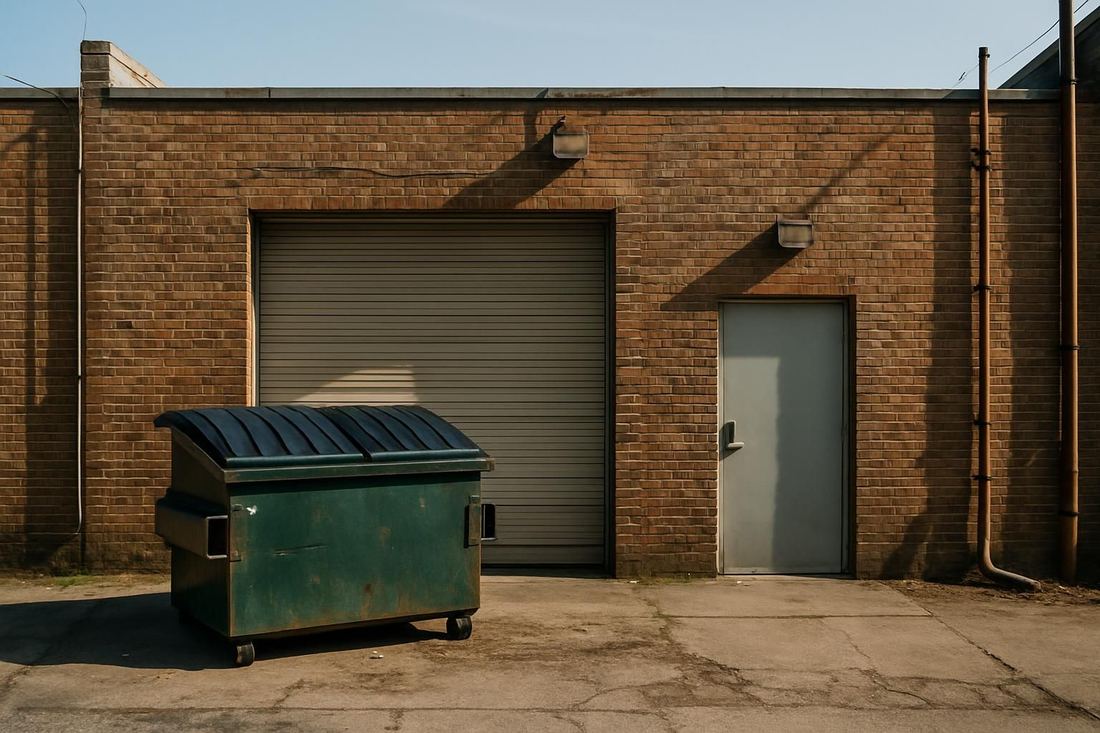
Trash areas are a common source. Big dumpster enclosures that overflow or stay open give rats steady food, and the units nearest the dumpster usually see mice first.
Tennessee law also matters for who does the work. The state requires licensed supervision for pesticide applications inside apartments, though tenants may treat their own unit. Property managers usually hire a chartered company for building-wide work.
What tenants and managers can each do
Rodent control in a multi-unit building goes faster when tenants and management work together.
Tenants can:
- Report mice or rats to management in writing as soon as they see signs
- Store food in sealed containers and take trash out regularly
- Keep clutter off the floor and away from walls so traps and sealing can reach the edges
- Give access for scheduled inspections and treatments
- Avoid using store bait inside the unit, which can send dying mice into the walls
Managers can:
- Respond quickly to the first report and check the neighboring units
- Keep dumpster lids closed and the enclosure clean, with pickups frequent enough that bins do not overflow
- Fix leaks, damaged screens and gaps under unit doors as part of routine maintenance
- Have vacant units checked and treated before a new tenant moves in
- Keep a log of complaints and service visits for each unit
Clear notices help. Tell tenants when the technician is coming, what to move, and whether pets need to be put away.
What to say when you call
Your call goes to an independent rodent control provider serving Memphis. Two minutes of detail up front gets you a straighter answer on timing and price.
Tell them
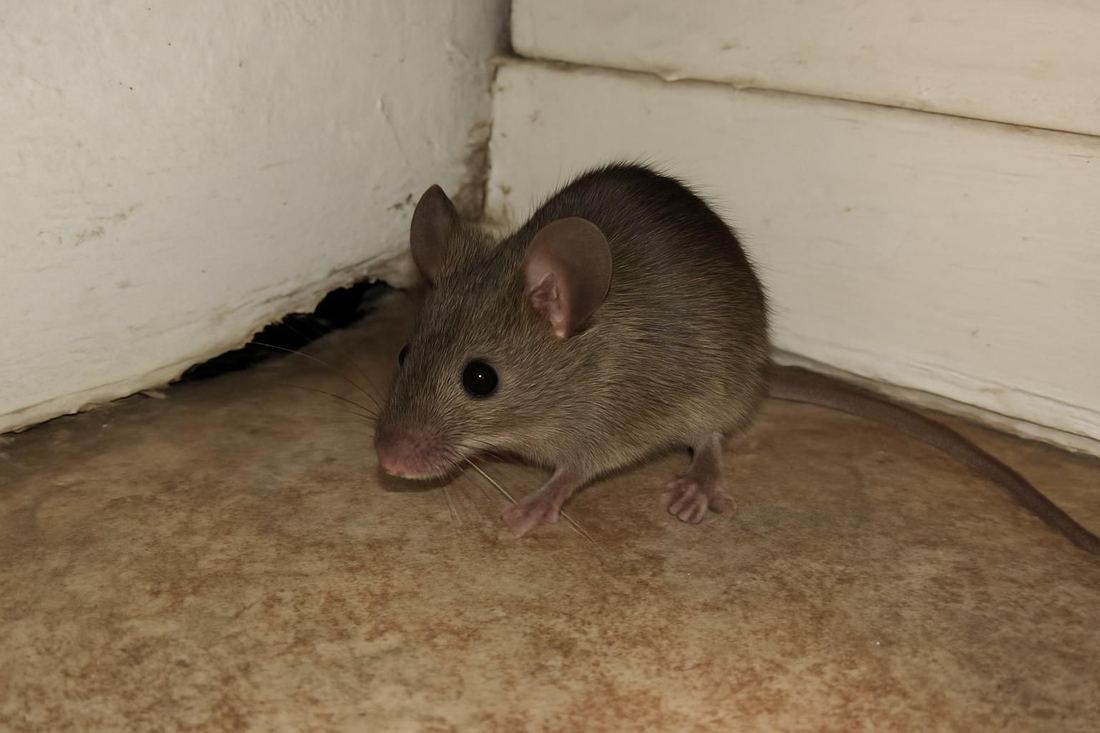
- ✓Rats or mice, if you can tell. Mouse droppings are rice-sized; rat droppings run about half an inch or longer.
- ✓Where the activity is: attic, ceiling, walls, kitchen, crawl space, garage, yard or under the slab.
- ✓How long it has been going on, and whether the noise or droppings are getting worse.
- ✓The building: brick ranch, Midtown bungalow on a crawl space, townhome, apartment, restaurant or warehouse.
- ✓Your neighborhood or ZIP code and the times that work for a visit.
- ✓Anything already tried, like snap traps, store bait, foam in a gap or a past service.
Ask them
- ?Is the company chartered by the Tennessee Department of Agriculture (or licensed in Mississippi, for DeSoto County)?
- ?Will the technician seal the entry points, or only set traps and bait?
- ?How many return visits does the price cover, and what does an extra one cost?
- ?Can I see the plan and the quote in writing before work starts?
- ?What goes inside the house, and how is it kept away from kids and pets?
Apartment rodent control questions
Who is responsible for rodents in a Memphis apartment?
Tennessee's landlord-tenant act requires landlords in Shelby County to keep units fit and habitable and to follow housing codes. Tenants must keep their unit clean and dispose of trash properly. The lease may add detail. See the tenant and landlord guide.
Why treat units that have not complained?
Mice in one unit usually travel to neighboring units through shared walls and chases. Checking neighbors catches the problem before it bounces back.
Can a tenant hire their own exterminator?
Tenants may treat their own unit under Tennessee rules, but a building-wide problem needs the owner's involvement. Tenants should notify the landlord in writing first.
How often should a complex be serviced?
It depends on the building and its history. Monthly exterior service with interior visits as needed is common for larger complexes.
Do you need access to every unit?
Not always, but the units next to, above and below an active problem should be checked. The provider can help draft access notices.
Should vacant units be treated?
Yes. Vacant units are quiet and often collect mice. Checking and treating them before a new tenant moves in avoids a complaint in the first week.
Get help with apartment rodent control in Memphis
Free call · independent local providers · same-day often available