Warehouse rodent control in Memphis, TN
Rodents in the racking, gnawed pallets, droppings near the dock? Call to reach a local technician who services warehouses and distribution buildings.
- Memphis and Shelby County
- Rats and mice only
- Independent local providers
Why warehouses attract rodents
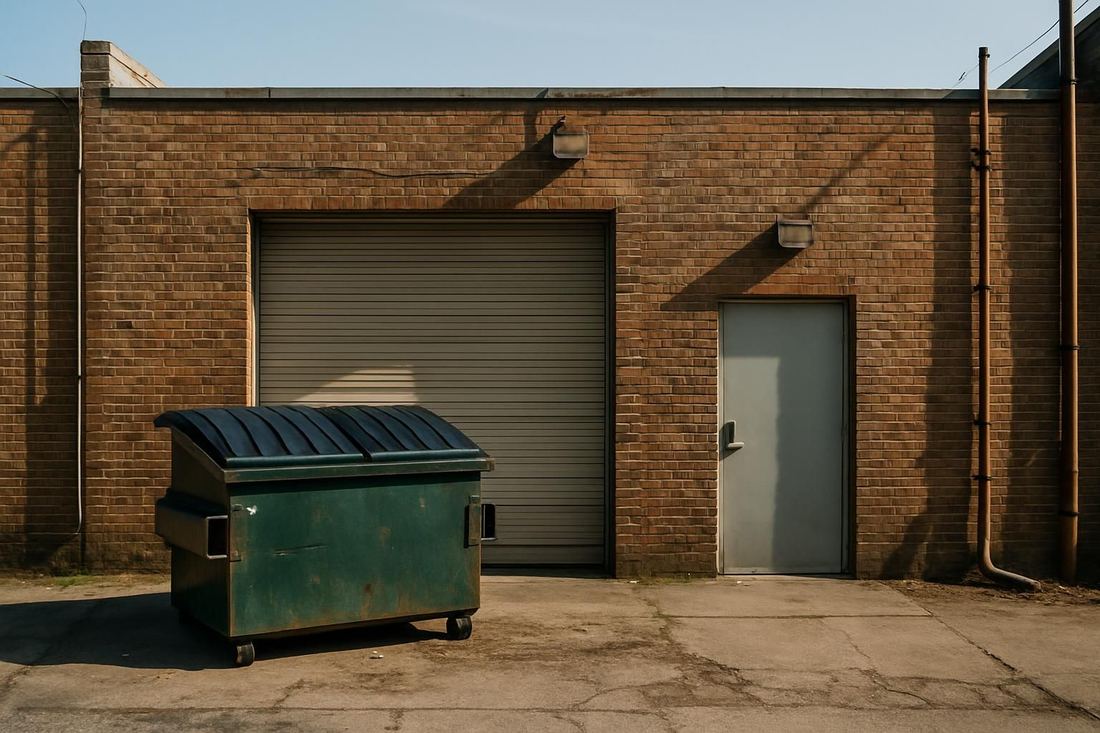
Warehouses are big, quiet at night, full of cardboard and pallets, and open to the outside for hours every day through dock doors. Rodents come in on shipments, through dock seals that do not close, through gaps where walls meet the slab, and from the grassy margins and drainage ditches around the building.
Once inside, they nest in stored goods, behind racking and in the corners nobody visits. Damage shows up as chewed packaging, contaminated product and droppings along walls, and sometimes as chewed wiring in equipment.
For warehouses that store food, packaging, pharmaceuticals or consumer goods, customers and auditors often expect a documented pest program. That makes the paperwork as important as the traps.
What a warehouse rodent program includes
A provider should propose:
- A site survey of the perimeter, fence line, drainage, dock area, interior walls, racking, break rooms and trash compactors
- Exterior bait stations around the building at set intervals, locked and anchored, with a numbered map
- Interior traps or monitoring devices along walls and at dock doors, with no bait inside where product is stored
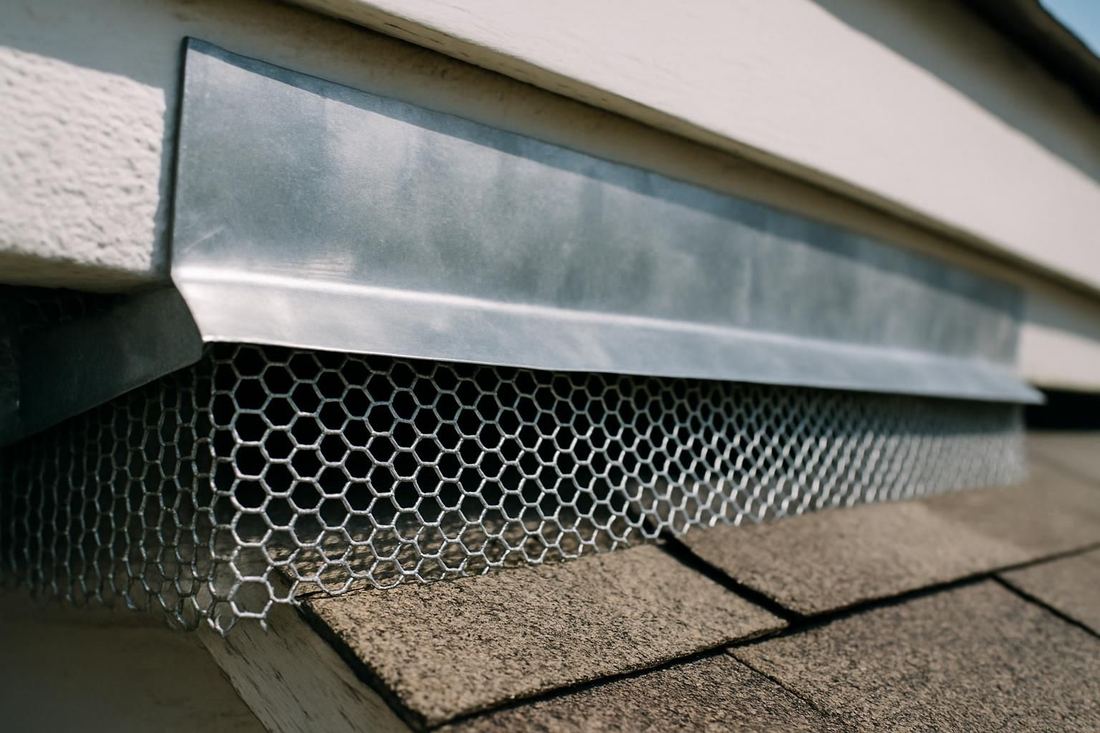
- Sealing and repair of dock seals, door sweeps, wall-to-slab gaps and utility penetrations
- A visit schedule and a service log with device-by-device findings and trend notes
- Recommendations on stacking (keeping product off walls), housekeeping, vegetation and receiving inspections
Ask for the device map and a sample report up front.
How a warehouse program usually starts, step by step
- You share the building size, what is stored, shift hours and any audit standard you follow.
- The technician surveys the site and drafts a device map and sealing list.
- Exterior stations and interior devices go in, and urgent gaps are sealed.
- Scheduled visits check every device and record activity by location.
- Trend reports point out trouble spots so devices and sealing can be adjusted.
- Records stay on file for customers, auditors and inspectors.
Want a technician to look at your place?
(901) 256-2861Memphis as a distribution hub
Memphis is one of the country's big freight crossroads. FedEx runs its world hub at Memphis International Airport, and warehouses and distribution centers line the corridors around the airport, along Lamar Avenue, in the industrial areas south and east of the city, and across the state line in Southaven and Olive Branch. Big buildings with constant dock traffic are steady targets for rodents.
Many of those sites back up to drainage ditches, open fields and creek corridors like Nonconnah Creek, which hold Norway rats and field mice. Mowing, drainage and the fence line matter as much as what happens inside.
Older warehouses near downtown and along the river have their own problems: brick walls with gaps, wood floors, and basements that connect to old utility tunnels. Expect a provider to spend time sealing those buildings, not just setting stations.
Receiving and housekeeping practices that cut rodent activity
The best warehouse programs pair the provider's work with a few standing practices on the floor:
- Inspect inbound trailers and pallets for droppings, gnawing and live rodents before unloading fully, and refuse or quarantine problem loads
- Keep dock doors closed when no trailer is at the door, and repair dock seals and shelters that leave gaps
- Leave an open aisle, often called a sanitation or inspection strip, between racking and the outside walls so devices can be checked and droppings spotted
- Rotate stock so pallets do not sit untouched for months
- Keep broken pallets, stretch wrap and cardboard waste picked up and out of corners
- Keep break rooms and vending areas clean, since rodents find them fast
- Mow the grass around the building and keep drainage ditches clear
Share receiving rejections and floor findings with the provider. A pattern of droppings near one dock or one supplier's loads tells them where to focus.
For buildings that store food, ask the provider how their program lines up with your customer or audit requirements before you sign a contract.
What to say when you call
Your call goes to an independent rodent control provider serving Memphis. Two minutes of detail up front gets you a straighter answer on timing and price.
Tell them
- ✓Rats or mice, if you can tell. Mouse droppings are rice-sized; rat droppings run about half an inch or longer.
- ✓Where the activity is: attic, ceiling, walls, kitchen, crawl space, garage, yard or under the slab.
- ✓How long it has been going on, and whether the noise or droppings are getting worse.
- ✓The building: brick ranch, Midtown bungalow on a crawl space, townhome, apartment, restaurant or warehouse.
- ✓Your neighborhood or ZIP code and the times that work for a visit.
- ✓Anything already tried, like snap traps, store bait, foam in a gap or a past service.
Ask them
- ?Is the company chartered by the Tennessee Department of Agriculture (or licensed in Mississippi, for DeSoto County)?
- ?Will the technician seal the entry points, or only set traps and bait?
- ?How many return visits does the price cover, and what does an extra one cost?
- ?Can I see the plan and the quote in writing before work starts?
- ?What goes inside the house, and how is it kept away from kids and pets?
Warehouse rodent control questions
How many bait stations does a warehouse need?
It depends on the building size, layout and activity. Providers usually space exterior stations at set intervals around the perimeter and add more near doors and trouble spots. Ask for a map.
Can bait go inside the warehouse?
Most programs keep bait outside and use traps or monitoring devices inside, especially where food or packaging is stored. Follow the product label and any customer or audit rules.
How often should a warehouse be serviced?
Monthly is common, with more frequent visits for food storage, audit requirements or active problems.
What causes most warehouse rodent problems?
Dock doors left open, worn dock seals, gaps at the slab, product stacked against walls, and overgrown ground around the building.
Do you cover warehouses in Mississippi?
Calls cover the Memphis metro, including Southaven and Olive Branch in DeSoto County. Ask the provider about their Mississippi licensing.
Do we need a licensed company for a warehouse?
Any company doing pest control for hire in Tennessee must be chartered by the Department of Agriculture. In Mississippi, ask the provider about their state license.
Get help with warehouse rodent control in Memphis
Free call · independent local providers · same-day often available