Mice in walls removal in Memphis, TN
Scratching and scurrying inside the wall at night, maybe a faint smell near an outlet. Call to reach a local technician who can find where the mice enter the wall and trap them out.
- Memphis and Shelby County
- Rats and mice only
- Independent local providers
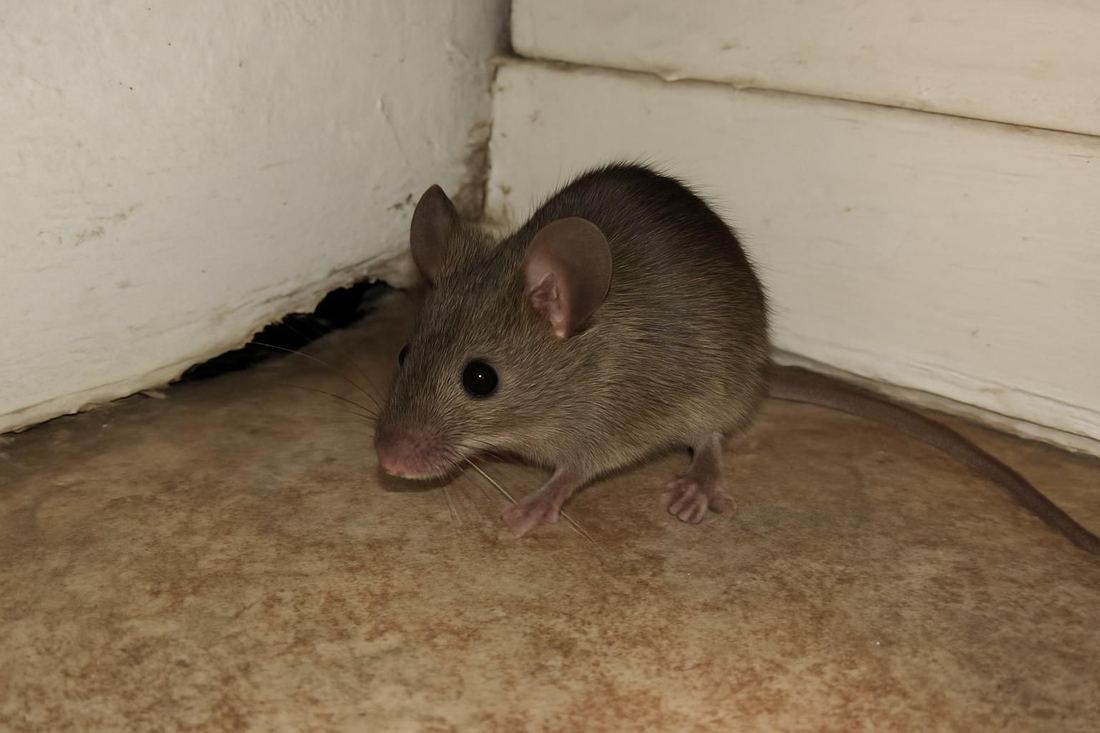
What mice in the walls usually means
Mice in the walls are rarely living only in the walls. Wall voids are highways. Mice use them to move between a nest, often in the attic, crawl space, garage or behind a kitchen appliance, and the places where they find food.
You usually hear them at night, when the house is quiet: quick scratching, light scurrying, sometimes a gnawing sound. Noise that moves up and down a wall often follows a plumbing or electrical chase. Noise in an exterior wall near the floor often means mice coming in at the foundation.
The goal is to find where mice get into the wall cavity and where they come out, then trap at those points and seal them. Cutting into drywall is rarely needed.
What a thorough mice-in-walls job includes
A complete job looks at the whole route, not just the wall that makes noise:
- Tracing the noise to the right wall and figuring out which chase or cavity the mice use
- Checking the openings that feed wall voids: gaps around pipes under sinks, behind the stove, dishwasher and fridge, behind the washer and dryer, around the water heater, at the attic top plates and at the crawl space or slab edge
- Trapping at those openings and in nearby cabinets, attic edges or the crawl space
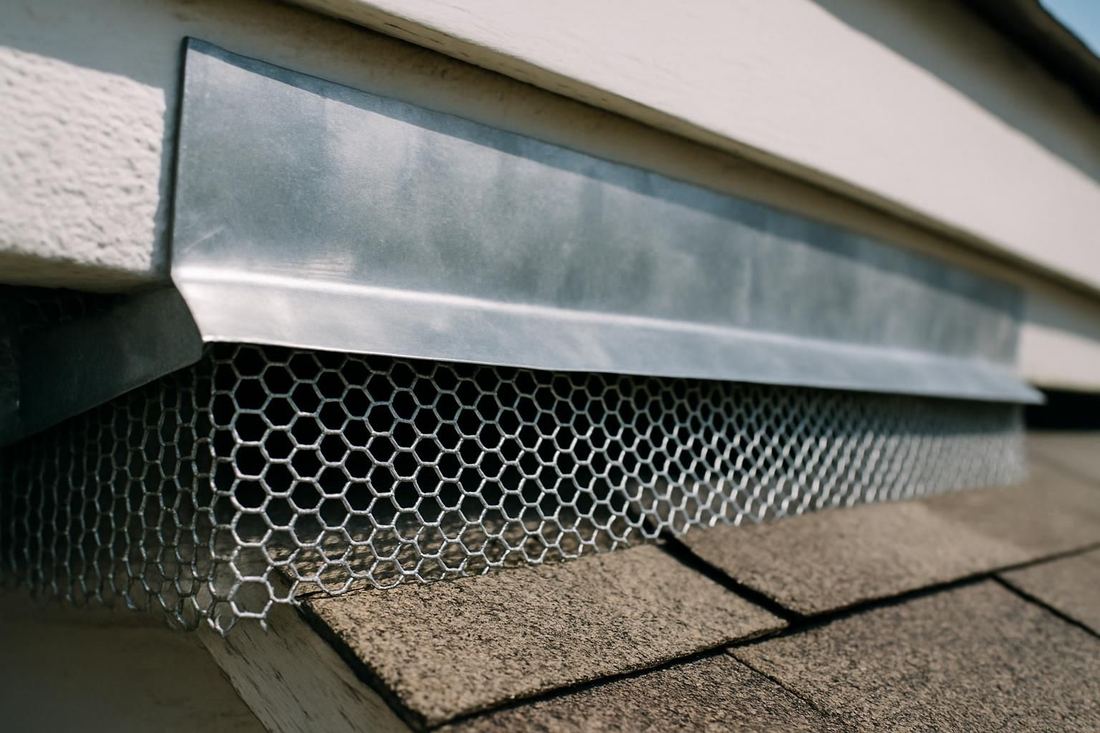
- Sealing interior openings around pipes and exterior entry points with mesh, metal and sealant
- Follow-up visits until the noise and fresh droppings stop
If a mouse dies in a wall, a technician can usually locate it by smell and remove it through a small access hole. Ask whether patching that hole is included.
How the work usually goes, step by step
- You describe which walls make noise, when, and whether you have seen droppings in cabinets or the garage.
- The technician inspects the walls' likely sources: attic top plates, crawl space, under sinks and behind appliances.
- Traps go in at the openings and along nearby runways, often inside cabinets in tamper-resistant boxes.
- Exterior entry points are sealed once catches slow, and interior pipe gaps are closed.
- Return visits remove caught mice and check for fresh droppings.
- The job ends when the noise stops and the traps stay empty.
Want a technician to look at your place?
(901) 256-2861Why Memphis walls attract mice
Older Memphis houses often have wall cavities that connect straight to the crawl space or attic. Balloon-framed homes from the early 1900s, common in Midtown and Central Gardens, can have open stud bays that run from the foundation to the attic. A mouse that gets under the house can reach the second floor without leaving the wall.
In the brick ranches built after World War II across Frayser, Whitehaven, Raleigh and Hickory Hill, mice tend to enter at the foundation or through weep holes and gaps at the brick ledge, then travel inside exterior walls toward the kitchen. In newer homes in Cordova, Bartlett and DeSoto County, the garage is a common starting point, with mice moving into the walls shared with the house.
Memphis's mild winters keep mice active outside most of the year, so the pressure on those openings never really lets up.
How to narrow down where the mice are
You can save the technician time by paying attention for a few nights before the visit:
- Note the time of night the noise starts and stops. Mice are most active after dark, often in the hours after the house goes quiet
- Note which wall, and how high. Noise near the ceiling points toward the attic; noise near the floor points toward the crawl space or slab
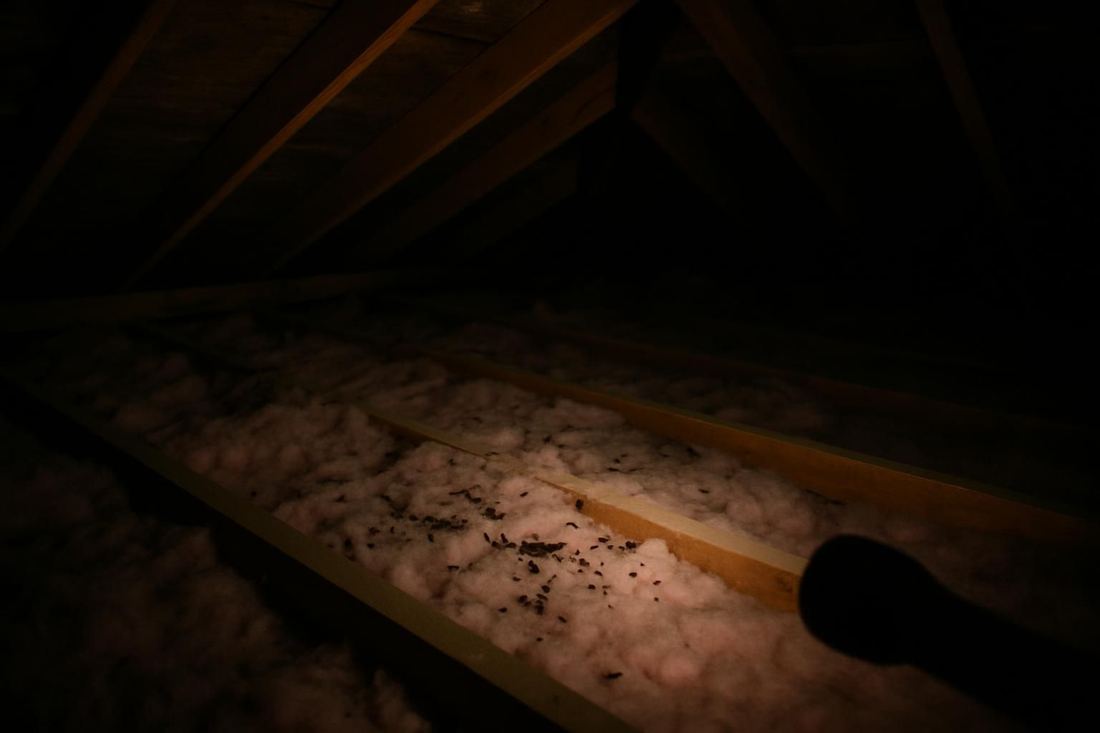
- Check under the kitchen and bathroom sinks for droppings and gnawed pipe insulation
- Pull out the stove or dishwasher kick plate with a flashlight and look for droppings along the floor
- Look in the garage along the wall shared with the house
- Sniff around outlets and switch plates on the noisy wall; a musky smell means heavy traffic
Do not drill holes or stuff foam into gaps inside the house before the technician comes. Blocking an interior opening can trap mice in the wall, where they may die and cause an odor problem.
What to say when you call
Your call goes to an independent rodent control provider serving Memphis. Two minutes of detail up front gets you a straighter answer on timing and price.
Tell them
- ✓Rats or mice, if you can tell. Mouse droppings are rice-sized; rat droppings run about half an inch or longer.
- ✓Where the activity is: attic, ceiling, walls, kitchen, crawl space, garage, yard or under the slab.
- ✓How long it has been going on, and whether the noise or droppings are getting worse.
- ✓The building: brick ranch, Midtown bungalow on a crawl space, townhome, apartment, restaurant or warehouse.
- ✓Your neighborhood or ZIP code and the times that work for a visit.
- ✓Anything already tried, like snap traps, store bait, foam in a gap or a past service.
Ask them
- ?Is the company chartered by the Tennessee Department of Agriculture (or licensed in Mississippi, for DeSoto County)?
- ?Will the technician seal the entry points, or only set traps and bait?
- ?How many return visits does the price cover, and what does an extra one cost?
- ?Can I see the plan and the quote in writing before work starts?
- ?What goes inside the house, and how is it kept away from kids and pets?
Mice in walls removal questions
Will the mice in my walls leave on their own?
Not usually. If they have food and shelter, they stay and breed. Trapping at the wall openings and sealing the outside gaps is what clears them.
Should I put poison in the walls?
Most providers avoid it. A poisoned mouse often dies inside the wall, and the smell can last for weeks. Traps at the openings let the technician remove the mice.
Is it mice or rats in my wall?
Mice make lighter, quicker scratching. Rats are louder and heavier, often with gnawing. Droppings size settles it: an eighth to a quarter inch for mice, half an inch or more for rats.
Do they need to cut open my wall?
Rarely. Most mice-in-walls jobs are handled at the openings. A small hole may be needed to remove a dead mouse.
Can mice chew through wiring in the walls?
Yes. Rodents gnaw constantly and can damage wire insulation. If you see sparks, flickering or a burning smell, call an electrician.
Why do I only hear them at night?
Mice are mostly active after dark. During the day they rest in nests in the walls, attic or crawl space, and the house is noisier, so you do not hear them.
Get help with mice in walls removal in Memphis
Free call · independent local providers · same-day often available